

Progesterone: Hormone Balance in Perimenopause & Menopause
30th Jan 2022
When we talk about hormonal changes during
perimenopause and menopause, estrogen gets the most attention. However,
estrogen’s “partner,” progesterone, plays an important role.
If you are in perimenopause, it likely hasn’t been since
puberty that you’ve experienced such a wild hormonal ride! 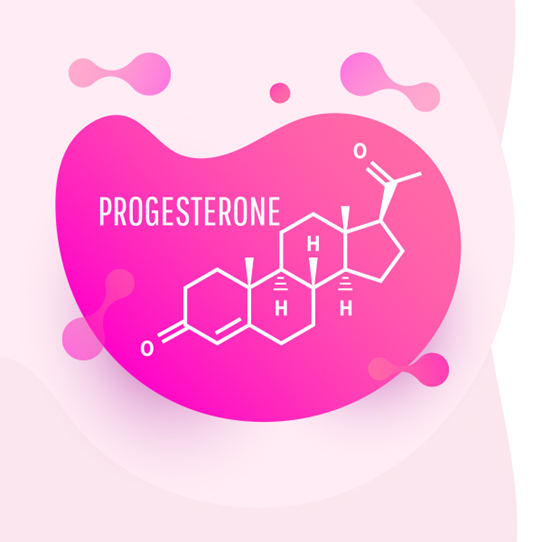
All About Progesterone
Progesterone,like estrogen, is a steroid hormone the body makes from cholesterol. While estrogen is the “star” of the first half of the cycle, progesterone is the main hormone during the second half.
Estrogen thickens the uterine lining and
prepares for ovulation. After ovulation, progesterone rises, balancing
estrogen. Progesterone helps you to feel calm, warm, less inflamed and get
better sleep. Like estrogen, progesterone is also important for protecting your
bones, heart and brain.
But what happens to progesterone after the
reproductive years?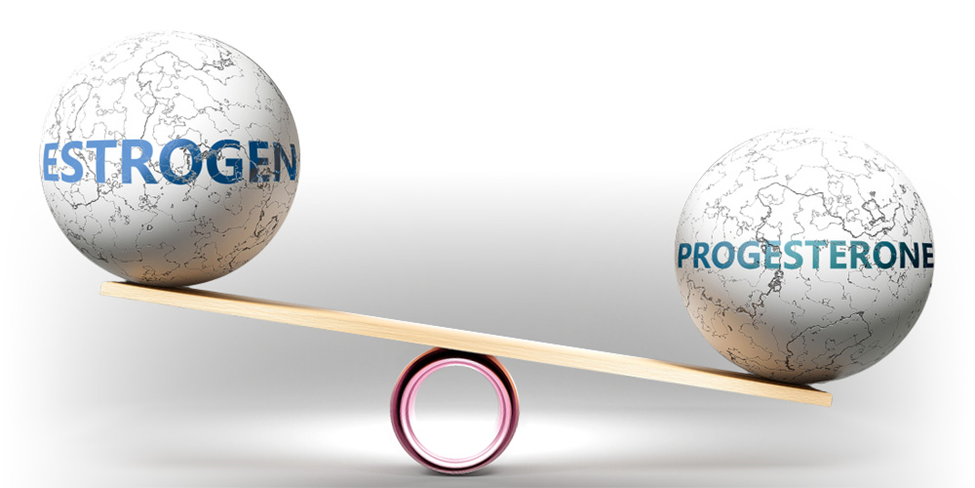
As we get older, ovulation slows down. In perimenopause, we begin to experience irregular cycles, including some cycles where we don’t ovulate. If we don’t ovulate, we don’t make progesterone. Without progesterone to balance out estrogen, we experience estrogen dominance and the associated symptoms like heavy bleeding, mood swings and insomnia.
After the final menstrual period (menopause),
estrogen levels become less variable than they were in perimenopause and settle
in at a new lower level. Without ovulation, progesterone production from the
ovaries effectively ceases, although a very tiny amount is made by the adrenal
glands.
The loss of these sex hormones in menopause
causes the body – including the brain and immune system – to recalibrate
to the new hormonal landscape--- roughly the same levels as we had before
puberty.
Natural Ways to Support the Hormonal Changes
of Perimenopause & Menopause
The body is adaptable and it’s possible to have
a peaceful transition to menopause. Here are some lifestyle tools to help:
- Support the adrenals. Your adrenal glands sit above your kidneys and are most well known for their role in the stress response. In menopause, however, the adrenals take over some sex hormone production, so we want them functioning optimally. Stress management is key, along with eating enough protein, B vitamins and vitamin C.
- Maintain your rhythm. All hormonal systems are connected and driven by the body’s daily rhythm. Support natural hormonal cycles by going to bed and waking around the same time each day. Regular mealtimes are also supportive.
- Prioritize sleep. A drop in progesterone can certainly impact sleep. It’s time to
practice good sleep hygiene by limiting screens (and stress) before bed,
sleeping in a cool and dark room and getting outside in natural sunlight first
thing in the morning.

- Kick inflammation. Inflammation is prone to increase as progesterone and estrogen
decline, which exacerbates uncomfortable symptoms. Adopt an anti-inflammatory
diet full of produce, nuts and seeds, good fats like avocado, wild salmon and
olive oil and herbs and spices including turmeric and rosemary. Eating regular
meals and meeting daily protein needs helps to balance blood sugar which
reduces inflammation. A great natural source of protein packed with all the B
vitamins is Nutritional Yeast.
- Embrace supplements. Certain nutrients, such as magnesium and B vitamins, help ease
symptoms and support health. helps to decrease the symptoms of perimenopause and menopause,
supporting a more comfortable transition. See below our recommended supplements
to help.
- AdrenaVen:
- Magnesium Powder
- Progesterone
- Vitamin B12
- Vitamin C Lypo Spheric
- Nutritional Yeast
- Melatonin
- EPA/DHA
- Turmeric Capsules
Contact Marion for a more in-depth health evaluation 843-707-6943 or email Marion@DirectionWithPurpose.com